Disclosure: BenOrbital is a participant in the Amazon Services LLC Associates Program. This means we may earn a small commission when you buy through links on this page — at no extra cost to you. We only recommend products we’d genuinely consider wearing ourselves.
For roughly a decade, smart glasses lived in a strange limbo. They were either too clunky to wear in public, too expensive to justify, or too useless to recommend. However, AI glasses 2026 mark a real turning point. AI glasses have quietly crossed the line from gadget novelty into something genuinely useful. The question is no longer “do they work?” Now it’s “which pair is right for you?”
This is the BenOrbital buying guide to AI glasses in 2026. We’ll break down what’s actually new this year, who each pair is for, and whether the category is finally worth your money.
What “AI Glasses” Actually Means in 2026
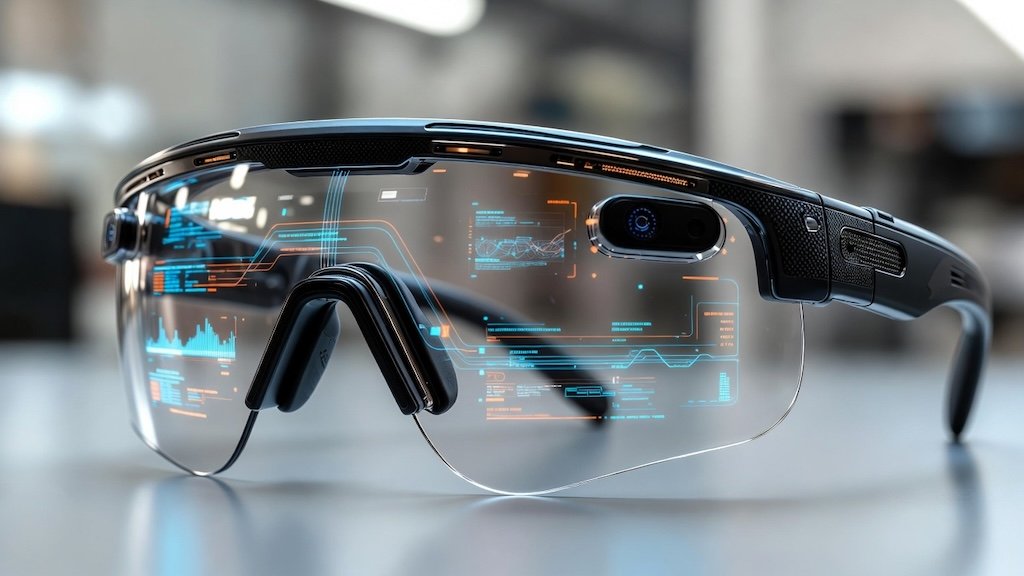
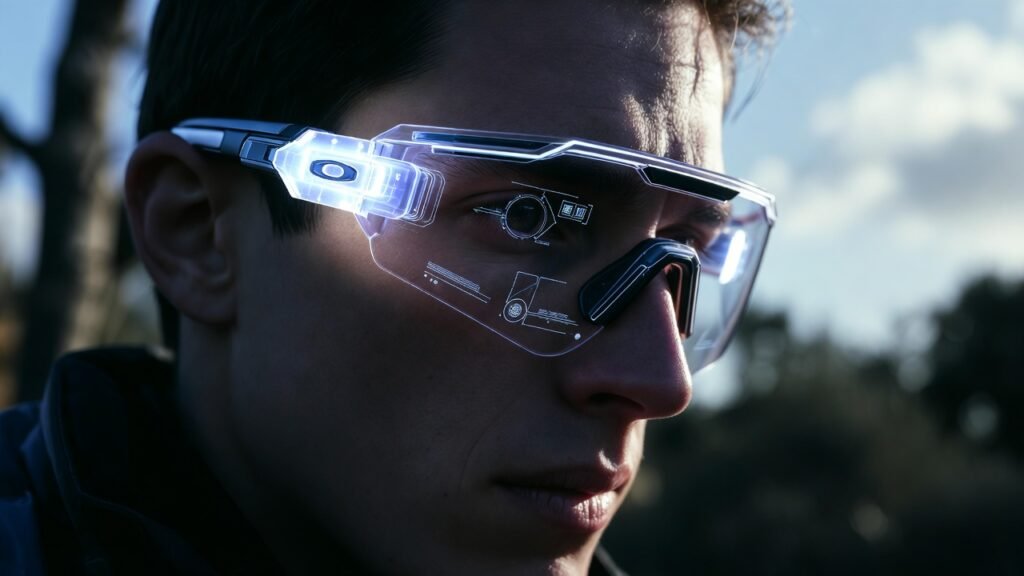
The term gets thrown around loosely, so let’s be precise. In 2026, AI glasses generally refers to eyewear that combines three things: a voice-activated AI assistant, on-board cameras or microphones for capturing the world, and audio output through open-ear speakers. Some pairs add an in-lens display, but most don’t.
This is different from AR glasses like the XREAL One Pro, which mirror your phone or laptop screen onto a virtual display. AR glasses are essentially wearable monitors. AI glasses, by contrast, are wearable assistants. The distinction matters because they solve completely different problems.
The breakthrough this year is that the AI itself finally became useful. Furthermore, multimodal AI — meaning the assistant can see what you’re looking at and respond — has matured enough that you can point your face at a foreign menu and get a translation in seconds. You can ask “what kind of plant is this?” on a hike. Moreover, you can have a hands-free conversation with an assistant that actually understands context.
That’s the shift. Smart glasses used to be cameras with speakers. Now they’re starting to feel like an extra brain.
Show Image A quick search for “smart glasses with camera” returns dozens of options across every price tier. Prices range from $21 no-name pairs on Temu to $599 flagship designs from Even Realities. The market is finally crowded, which is good news for buyers.
The Best AI Glasses in 2026
We grouped the standouts by what they’re actually good at. “Best overall” is a useless category. One person needs prescription lenses; another wants to film mountain bike runs.
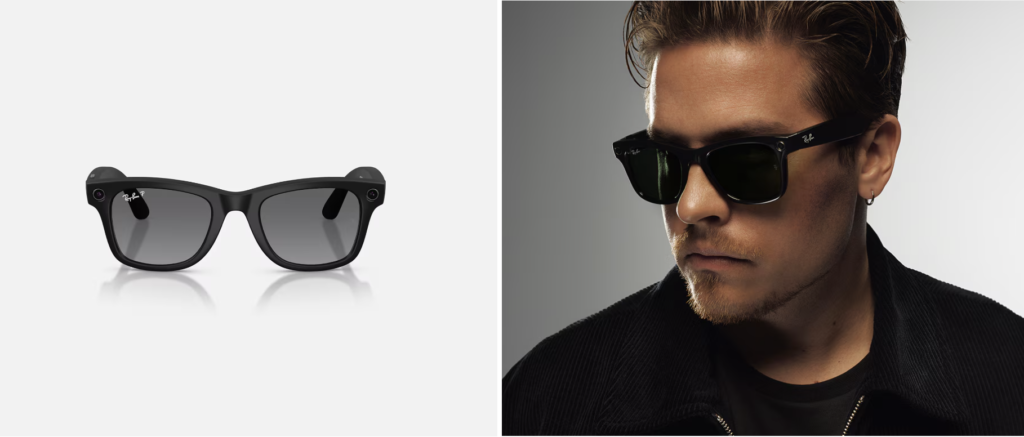
Best Overall: Ray-Ban Meta (Gen 2) Wayfarer — $379
If you only read one recommendation, read this one. The Ray-Ban Meta Gen 2 Wayfarer is the AI glasses most people should buy in 2026, and the reason is simple: they look like normal Ray-Bans. Nobody at dinner notices them.
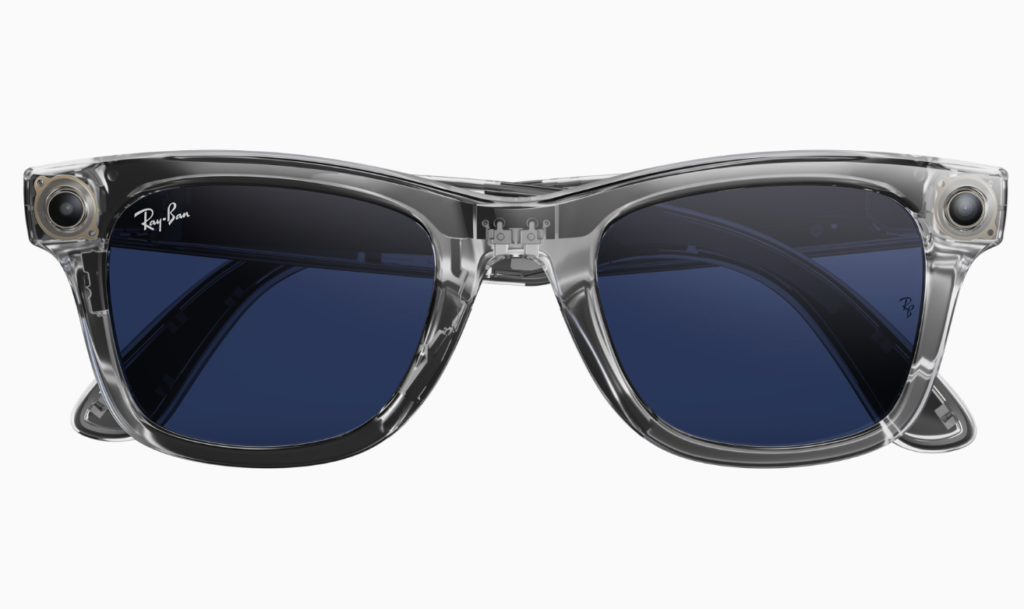
The 12MP ultra-wide camera handles 3K HD video, and the open-ear speakers sound clean. Meta AI now responds to “Hey Meta, look at this” with surprisingly accurate descriptions of whatever you’re staring at. The Gen 2 is powered by the LLAMA 4 model. It also supports live translation across six languages — a genuinely useful feature for travel.
Battery life is the headline upgrade. Gen 2 doubles the original to 8 hours of moderate use, with the charging case extending that to 48 hours total. Additionally, video resolution jumped to 3K and call time stretches to 5.3 hours. The “1K+ bought in past month” badge on Amazon tells the rest of the story — these are flying off shelves.
Best for: Most people. Content creators. Anyone curious about the category. 👉 Check current price on Amazon → https://amzn.to/3P3IZYf
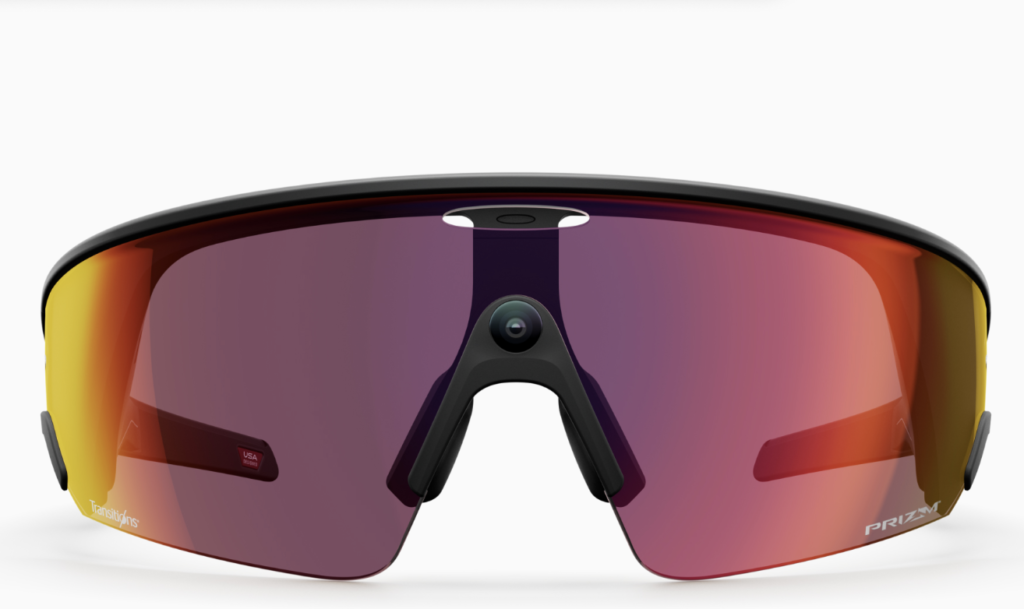
Best for Active Use: Oakley Meta HSTN — $399
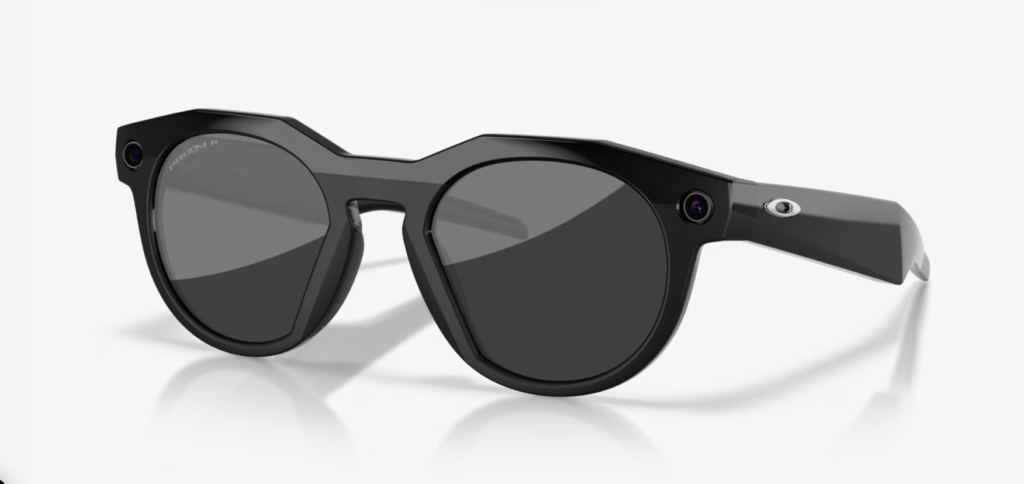
The Oakley version of Meta’s platform doubles down on athletic use. Battery life jumps to roughly 8 hours of active use. Video bumps to 3K resolution. The frame uses Prizm lens technology built for cycling, running, and outdoor sports. Additionally, the charging case stretches to 48 hours, which means multi-day trips don’t require a wall outlet.
If you already own Ray-Ban Meta and want a sportier second pair — or if you train outside often — this is the upgrade. The wraparound fit also stays put during real movement, which the Wayfarer shape doesn’t always do.
Best for: Runners, cyclists, anyone wearing them through sweat and weather. 👉 Check Oakley Meta HSTN on Amazon → https://amzn.to/3QzmF9l
Best Display Glasses: Meta Ray-Ban Display — $799
This is the flagship. The Meta Ray-Ban Display adds a full-color in-lens HUD. It packs 600×600 resolution and 5,000 nits of brightness (visible in direct sunlight). The field of view spans 20 degrees. It also ships with the Meta Neural Band. This wristband reads electrical signals from your forearm muscles. It lets you scroll, click, and even handwrite messages with subtle finger movements at your side.
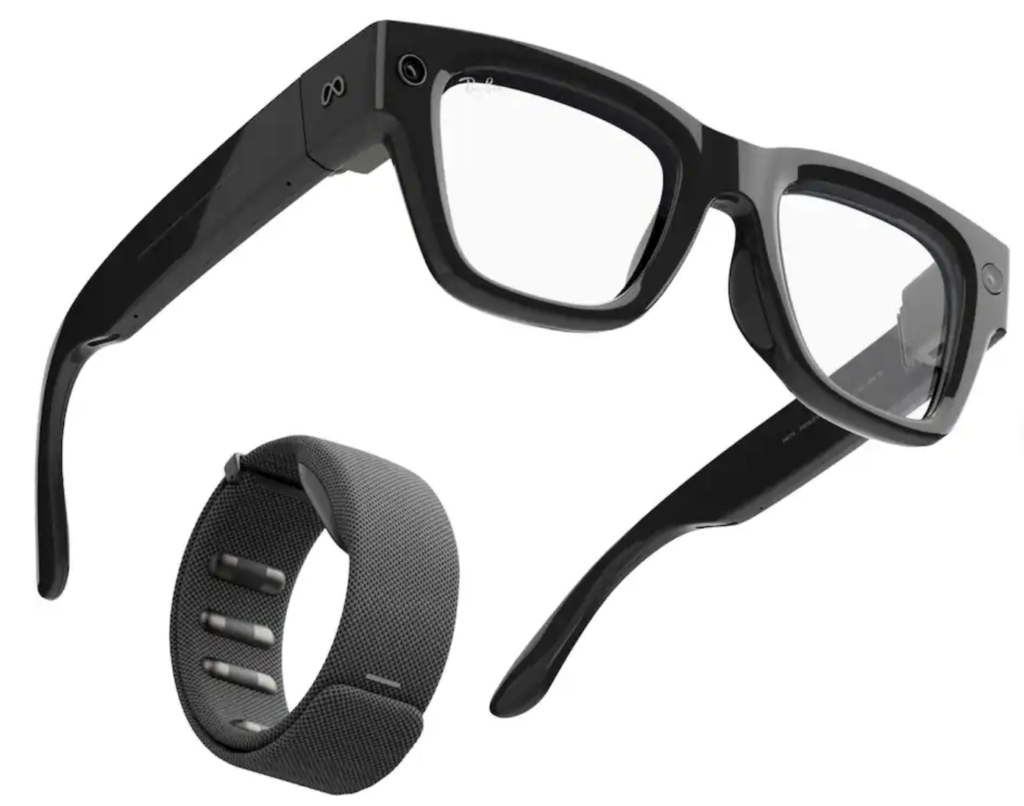
The Neural Band is the part that genuinely feels like the future. Furthermore, you can reply to a WhatsApp message by writing on your thigh under the table. You can navigate menus without speaking. It feels less like wearing tech and more like having an extra sense.
The catch: $799 is a real number. Demand has outstripped supply since launch. Meta also paused the planned 2026 international rollout to focus on US fulfillment. If you can find a pair, the Display glasses are the most capable AI eyewear shipping today. However, most readers should wait for Gen 2. The Display product currently sells only through limited brick-and-mortar US retailers — Best Buy, LensCrafters, Sunglass Hut, and Ray-Ban stores. Appointments are required.
Best for: Early adopters. People who want the fully-realized version of what AI glasses will be.
Best for Prescription Wearers: Ray-Ban Meta Optics (Blayzer & Scriber) — from $499
Meta launched its first prescription-built AI glasses in April 2026. The Blayzer Optics and Scriber Optics frames are designed around prescription lenses from day one, rather than treating them as an afterthought. Pricing starts at $499. Frames come in matte black, transparent black, transparent dark olive, and limited-edition transparent stone beige.
If you wear glasses every day, this is the cleanest entry point into the category.
Best for: Prescription wearers who don’t want to compromise on style.
Best Premium Display Alternative: Even Realities G2 — $599
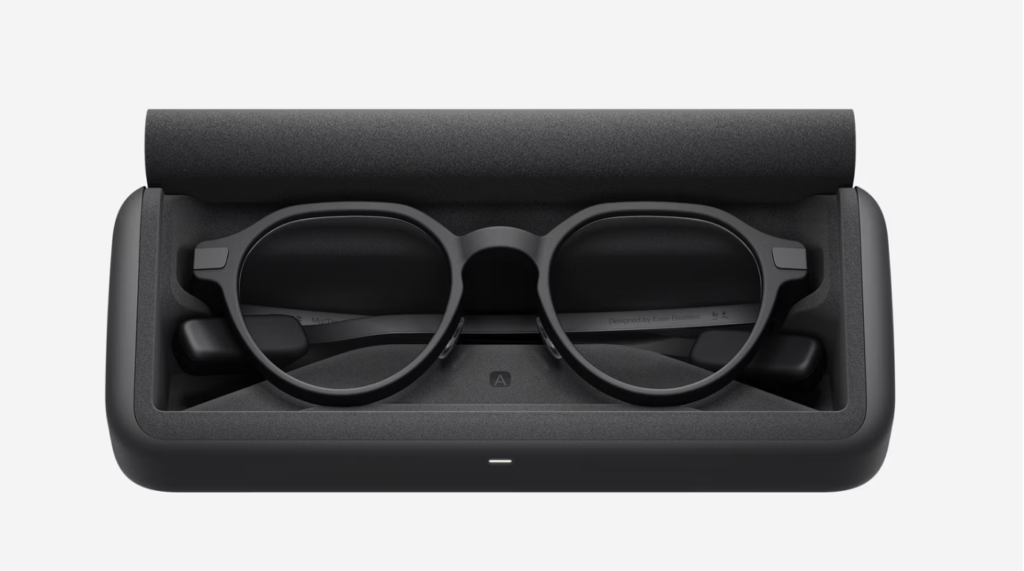
The Even G2 takes a different approach to displays. Rather than the bold, Wayfarer-style frame of Meta’s Display product, the G2 uses a thinner, rounder frame with a subtle green monochrome HUD that shows notifications, navigation, and translations. It’s deliberately understated — the kind of glasses you’d wear into a meeting without anyone realizing they’re powered.
At $599, they sit between Ray-Ban Meta and Meta Display in both price and capability. Moreover, they’re a strong pick if you want display features but find the Meta Display too bulky.
Best for: Buyers who want display tech in a more low-profile frame.
Best Budget Pick: Blackview AI Smart Glasses — around $114
Not everyone wants to spend $379 to test whether AI glasses fit their life. The Blackview AI Smart Glasses are the realistic budget entry: they pack a 12MP camera with 4K HD recording, real-time translation across 100+ languages, AI voice control, object recognition, and polarized lenses. At roughly $114 with a 4.2-star rating across 489 reviews, they’re the most-reviewed budget option on Amazon right now.
You’re not getting Meta’s polish or Meta AI integration. The build quality is plastic, battery life is shorter, and the AI assistant is rougher around the edges. However, this is the pair if you want to try a hands-free wearable camera with translation features for under $150 — before committing to a flagship.
Best for: Curious first-time buyers. Travelers who mainly want translation. Anyone unwilling to spend $379 on a category they’ve never tried. 👉 Check Blackview AI Glasses on Amazon → https://amzn.to/4sZNEbL
Show Image Amazon’s AI glasses category is flooded with sub-$150 options. Most are forgettable, but a few — like the Blackview at $114 with 489 reviews — punch above their weight.
What to Watch Out For
Not all AI glasses are worth your money. Furthermore, the explosion of cheap options on Amazon and Temu has flooded the market with products that fail in predictable ways.
Skip anything without a recording indicator light. Reputable brands like Meta and Blackview include a hard-wired LED that lights up when the camera is active. Glasses without one create the exact privacy panic that nearly killed this product category the first time around. Don’t contribute to the problem.
Be cautious of sub-$50 “AI glasses.” The $21 pair you saw in our screenshot up top may technically work, but build quality, audio, and AI integration are typically a mess. You’ll regret the purchase within a month.
Battery life claims are aspirational. Real-world battery life on every pair is shorter than the marketing copy. Plan to charge daily.
The AI requires cloud connectivity. Privacy-conscious buyers should review each manufacturer’s data policies. Meta routes through Meta AI, while budget brands often route through ChatGPT or proprietary cloud services. None of these are inherently bad, but they’re not zero-data either.
So — Are AI Glasses Worth Buying in 2026?
For most people, the honest answer is: yes, if you pick the right pair.
The Ray-Ban Meta Gen 2 Wayfarer is the easiest recommendation we’ve made all year. They’re stylish, useful, and the first pair that doesn’t feel like you’re beta-testing the future for someone else. Moreover, Amazon frequently runs them with deals below MSRP, which makes the entry cost genuinely reasonable.
If you want the bleeding edge and have $799 to spend, the Meta Ray-Ban Display is the most capable AI glasses product shipping today — but expect waitlists.
If you’re cost-conscious and just want to try the category, the Blackview AI Smart Glasses at around $114 are the realistic Amazon-available budget pick.
The only people who should still wait? Buyers hoping for Apple’s smart glasses (rumored for 2027) or Samsung’s Android XR glasses (expected later in 2026). Both are coming. Neither is here yet.
For everyone else: AI glasses 2026 finally feel like real products instead of demos. Your move.